
The Victorian Walled Garden Loop
A gentle 45-minute walk through restored Victorian gardens with stone walls and heritage plant collections. Flat terrain, perfect for all fitness levels.
Walking Through Living History
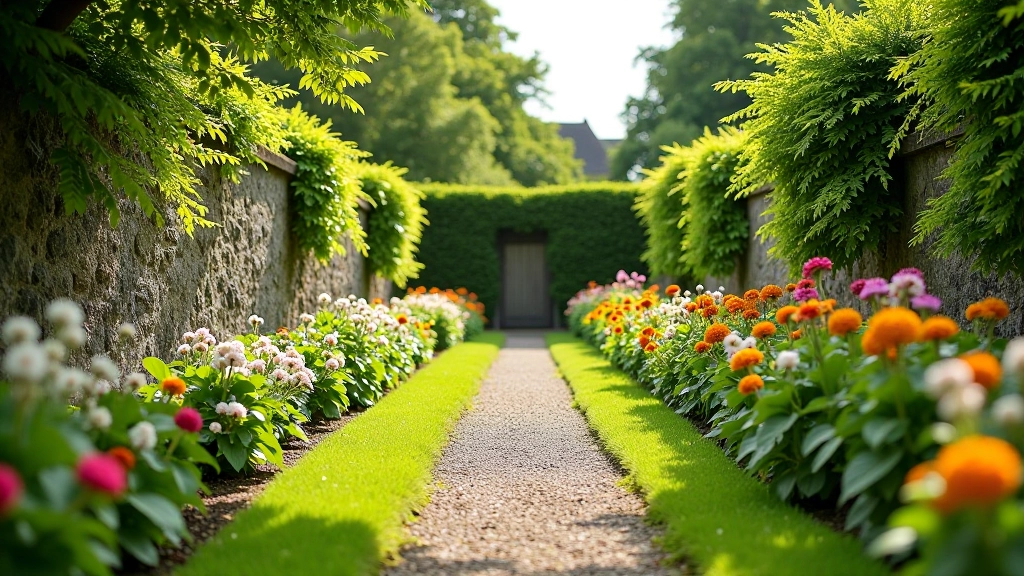
The Victorian Walled Garden isn't your typical park stroll. It's a chance to step back into the 1800s, where monks and gardeners cultivated plants in these enclosed spaces. The walls you'll see today are mostly original — built from local stone, weathered by centuries of Irish rain and wind.
What makes this walk special is how quiet it is. You're sheltered by those high walls, so you'll actually hear birds properly, feel the wind less, and notice small details. Visitors often mention how peaceful it feels — like the garden has a completely different atmosphere than the paths outside.
Quick Facts
- Duration: 45 minutes
- Distance: 1.2 km
- Elevation gain: None (completely flat)
- Best season: May to September
- Accessibility: Full wheelchair access
The Layout and What You'll See
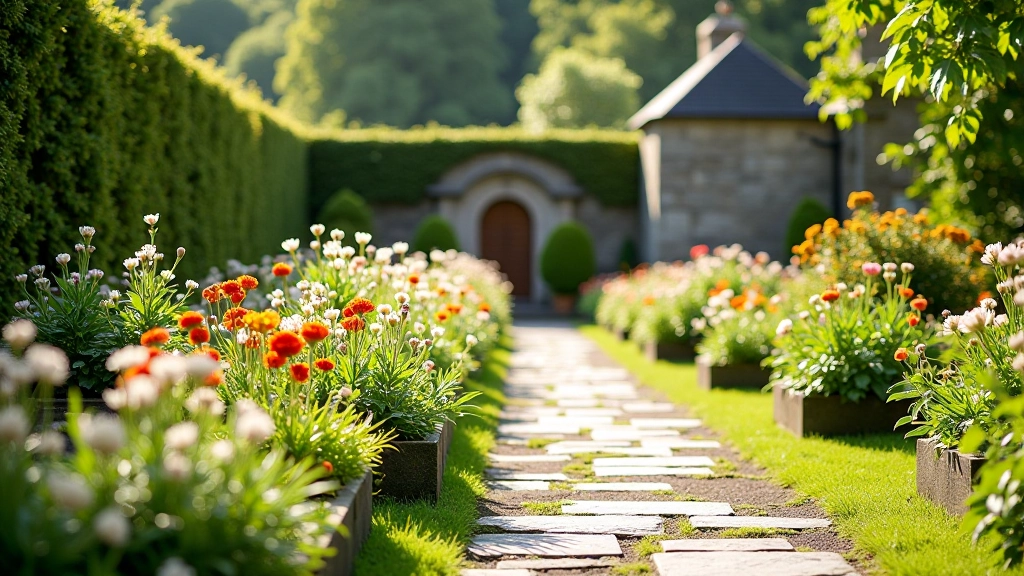
The garden forms a rough rectangle, divided into four main sections. You'll enter through the restored gate house — this isn't the original entrance, but it's built in period style using traditional techniques. The keeper's cottage nearby (now a small visitor space) dates to 1847.
Once inside, the first section is what they call the Flower Garden. It's planted with heritage varieties — things that would've grown here 150 years ago. You'll see roses (they're everywhere in May), foxgloves, and old varieties of herbaceous plants. The beds are arranged in formal patterns, not random. Everything's labeled too, which helps if you're curious about specific plants.
As you move deeper in, the character changes. The Vegetable Garden section shows how serious Victorian gardeners were about food production. The soil's incredibly rich — you can see it. There's a working greenhouse and cold frames, and honestly, it's fascinating watching how these structures manage temperature without electricity.
The Walls Matter More Than You'd Think
These aren't just decorative. They create a microclimate. The stone absorbs heat during the day and releases it at night, so frost damage is less severe. On a cool May morning, you'll notice it's actually warmer inside the garden than outside. The walls also block harsh winds that would damage delicate plants. That's Victorian engineering — practical and beautiful.
The Fruit and Orchard Section
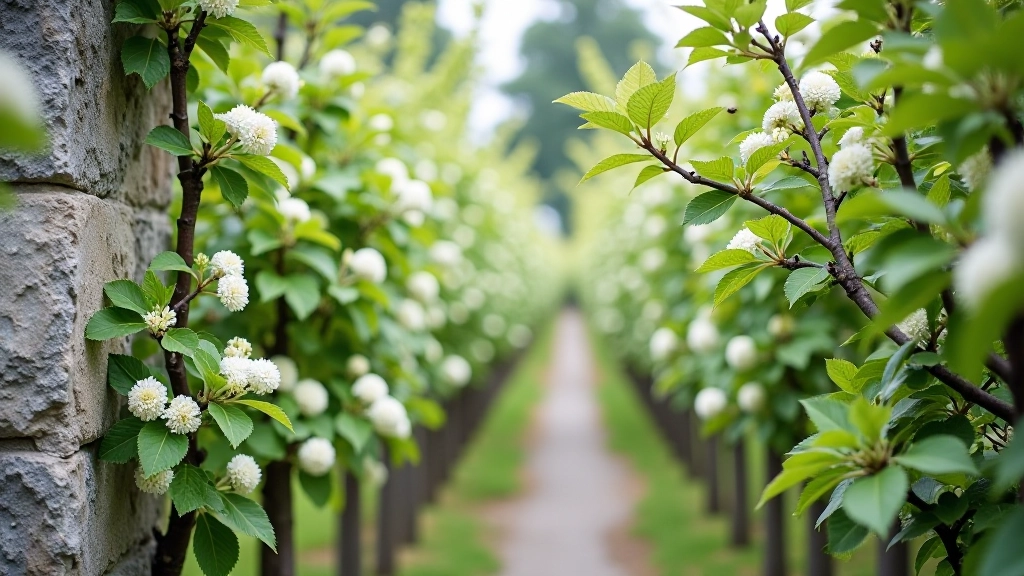
This is the largest area, and it's genuinely impressive. Apple and pear trees trained against the walls — it's called espalier, and it maximizes both space and sun exposure. You'll see trees that are over 100 years old, still producing fruit. The older trees have gnarly, twisted trunks that tell you they've survived quite a lot.
In the center, there's a small orchard with heritage varieties you won't find in supermarkets. Reinettes, Bramleys, old Irish cider apples. The gardeners maintain these varieties specifically because they're historically accurate to what would've grown here in the 1880s.
Walking through here in summer, you get dappled shade from the trained trees, and it's genuinely cool. The smell's incredible too — apple blossoms in May, then later the green-fruit smell as they develop.
Before You Go — What Actually Matters
Wear Proper Shoes
The paths are gravel and stone — flat but uneven. Flip-flops or thin soles get uncomfortable quickly. Regular walking shoes or hiking boots work perfectly. In wet weather (which is often), they can get muddy, so nothing you care about.
Bring a Light Layer
Even on warm days, it's cooler inside the walls. The shade from trees helps too. You'll be comfortable walking, but standing still (which you'll do to look at plants), you'll notice the temperature drop. A fleece or light jacket takes up no space.
Best Time to Visit
May through July is peak flowering. April's nice for spring bulbs. September's excellent if you want fruit on the trees and fewer crowds. Avoid November to February — it's grey, wet, and most plants are dormant. Early morning (before 10am) means better light for photos and it's quieter.
Photography Tips
The light inside is softer than outside — no harsh shadows. Overcast days are actually great here. Morning light from the east-facing sections gives you side-lighting through the plants, which looks brilliant. The stone walls photograph beautifully, especially when covered with ivy or lichen.
Things Worth Knowing
The garden's well-maintained and properly signposted. You won't get lost. There's a small café near the entrance with decent coffee and cake — genuinely nice stuff, not overpriced tourist fare. The visitor center has more detailed information about the garden's history if you want to go deeper into it.
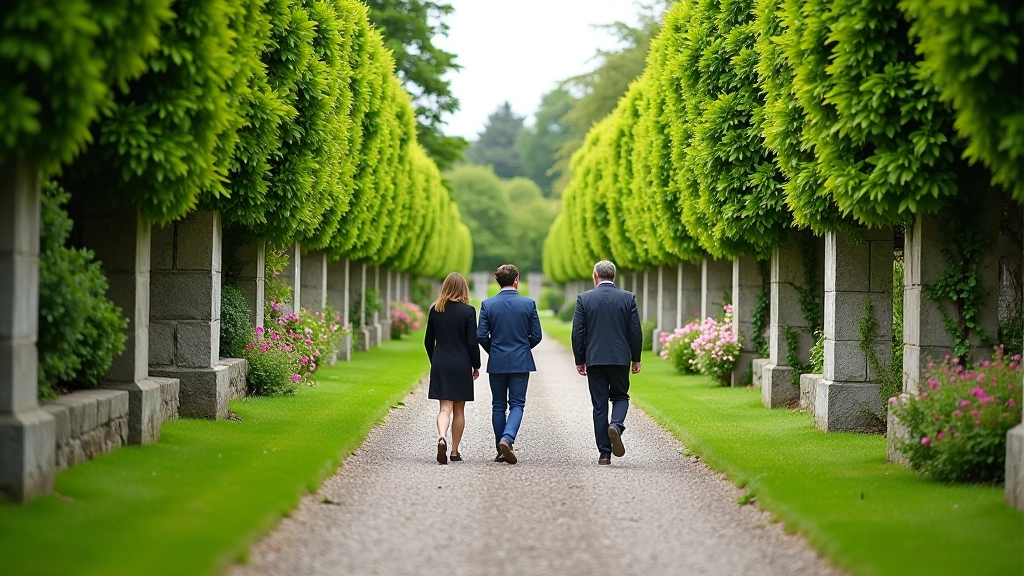
It's genuinely accessible. The paths are paved in the main sections, and there's a accessible toilet block. Wheelchairs work fine on the primary routes, though some of the narrower paths are gravel. Parents with buggies find it manageable — the flat terrain helps.
You don't need a guide for this walk. The plants are labeled, there's an orientation map at the entrance, and the layout's straightforward. That said, if you want deeper knowledge about heritage plants or Victorian gardening techniques, there are guided tours available — they're worth it if you're genuinely interested in the history.
Visitor Information
- Parking available on-site (free)
- Café open during visiting hours
- Accessible toilets available
- Maps provided at entrance
- No dogs allowed in garden areas
- Peak season: May-September
- Best for: Photography, plant lovers, quiet walks
Before You Visit
This guide provides general information about the Victorian Walled Garden Loop. Conditions, opening hours, and facilities can change seasonally or unexpectedly. We recommend checking the official Kylemore Abbey website or contacting them directly before your visit to confirm current access, any temporary closures, and specific opening times. Weather in the west of Ireland changes rapidly — bring appropriate clothing layers. While the paths are well-maintained, they're still uneven in places, so sturdy footwear is essential. This information was current as of May 2026 but may not reflect future updates.

Explore More Walks
Why This Walk Matters
The Victorian Walled Garden isn't a dramatic hike with views that take your breath away. It's something quieter — a chance to actually slow down and notice details. The heritage plants, the craftsmanship in the walls, the way the garden manages its microclimate without modern technology. It's the kind of walk where you end up knowing something you didn't before.
It's perfect for when you want exercise but not exhaustion. When you want to see something genuinely interesting without scrambling up mountains. When you want photographs that don't require perfect weather. And honestly, it's the kind of place where you'll come back — the garden changes through the seasons, and there's always something different to notice.