insecteduquebec Logo Insecteduquebec Contact Us
Contact Us
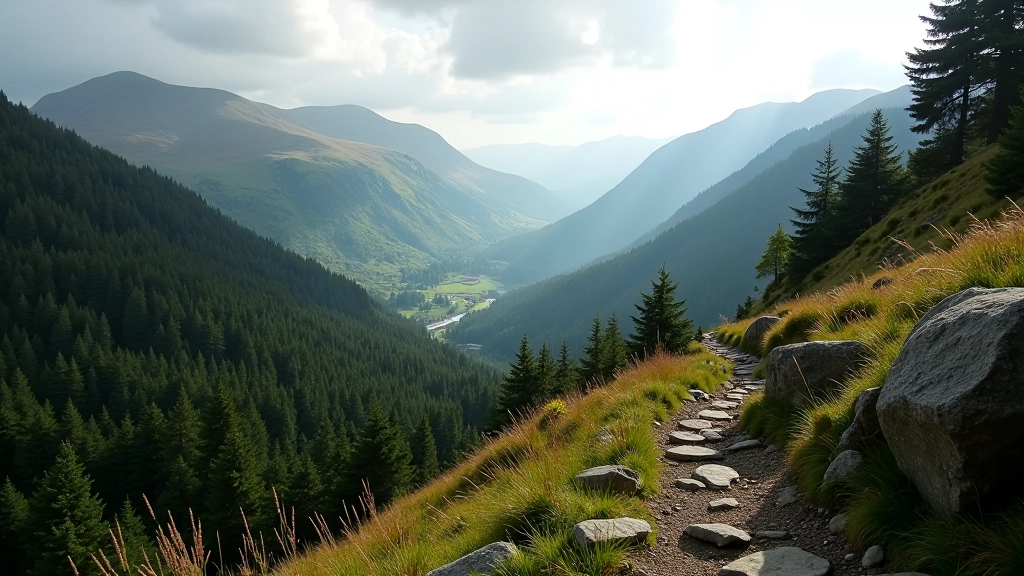
Rocky mountain trail with steep elevation gains overlooking forest valley and distant peaks
Advanced Trail

Challenging Circuit: High Ridge and Forest Return

A demanding 3.5-hour loop for experienced hikers. Steep elevation, rocky terrain, and panoramic views across Kylemore's highest ridges.

18 min read Advanced May 2026

Not for Beginners

This route isn't your typical heritage walk. It's a serious hike that demands fitness, navigation skills, and respect for the terrain. You'll climb over 400 meters in elevation, traverse exposed ridgelines, and pick your way through dense forest on descent. That said, the rewards are genuine — sweeping views you won't see from lower trails, the satisfaction of a real challenge, and the kind of solitude that comes with tackling something difficult.

We're not going to sugarcoat it. This circuit pushes you. But if you've got the experience and the legs for it, you'll understand why serious walkers keep coming back to this route.

What to Expect

  • Duration: 3.5 hours continuous hiking
  • Elevation gain: 430 meters
  • Terrain: Rocky, exposed ridges and steep forest
  • Navigation: Requires map and compass skills

The Steep Start

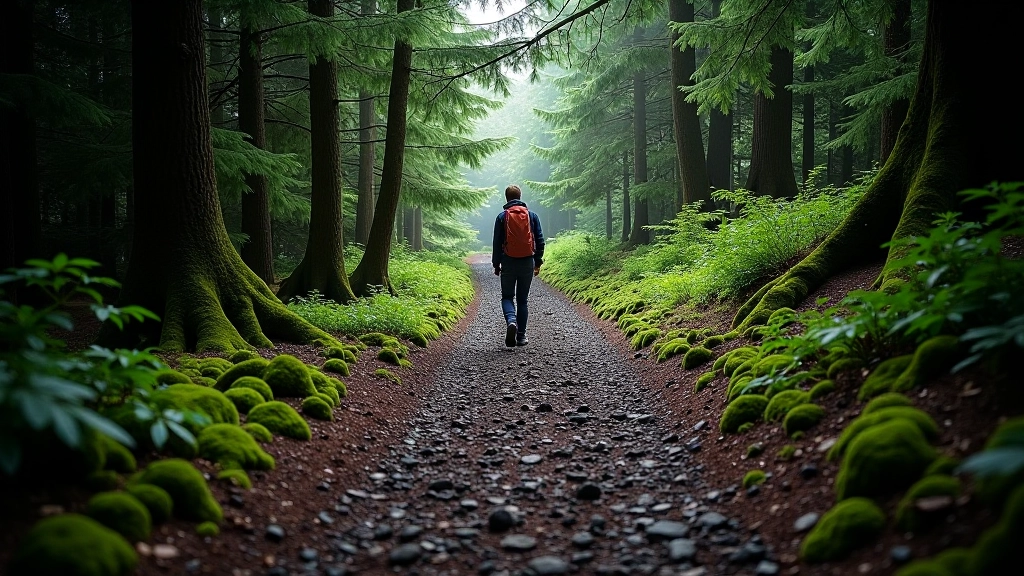
From the heritage center parking area, you'll head northwest toward the forest edge. The first 20 minutes feel manageable — you're still getting warmed up. Then the real work starts. The trail pitches upward sharply through dense woodland, and you'll be using your hands to pull yourself up rocky sections. This isn't technical climbing, but it's relentless.

By kilometer one, you'll know whether you're properly conditioned for this route. Your legs will be burning. Your breathing will be heavy. This is where trekking poles become essential — they're not optional extras here. They'll save your knees on descent and give you stability on loose stone.

Pro tip: Don't go out hard in the first section. Pace yourself. You've got another 3 hours ahead, and the hardest climbing comes later.
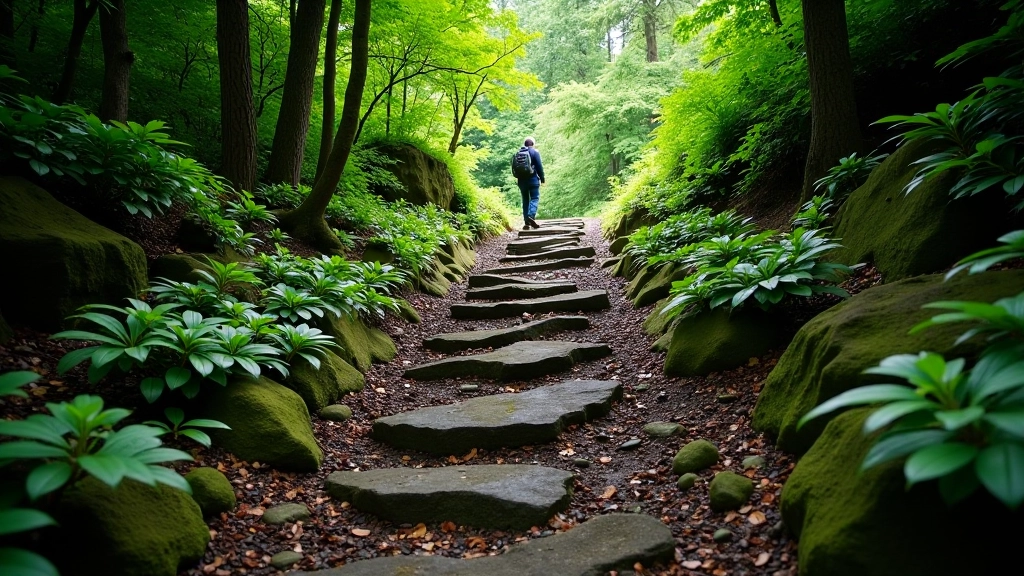
Steep forest trail with rocky ground and tree roots, steep uphill grade visible
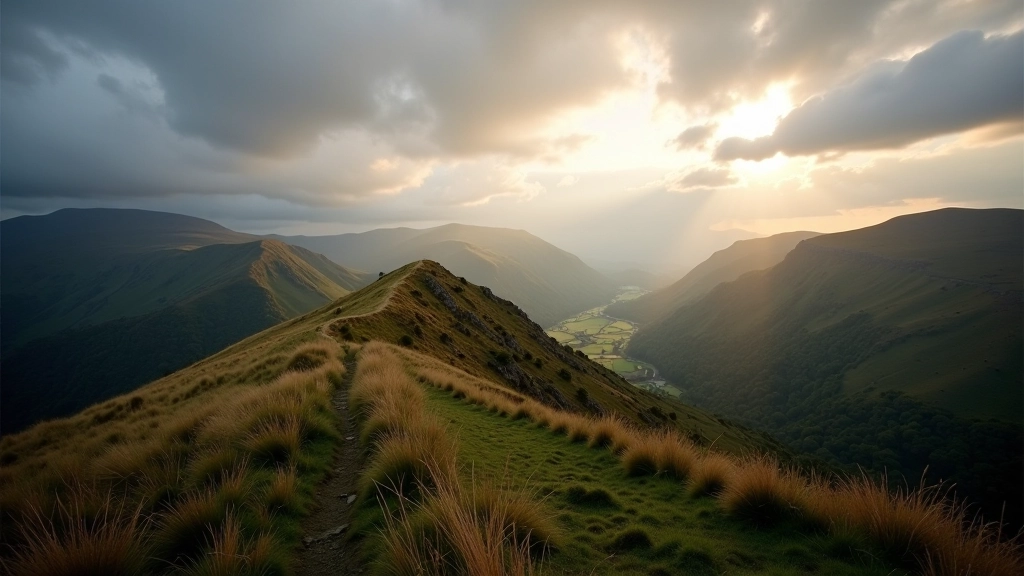
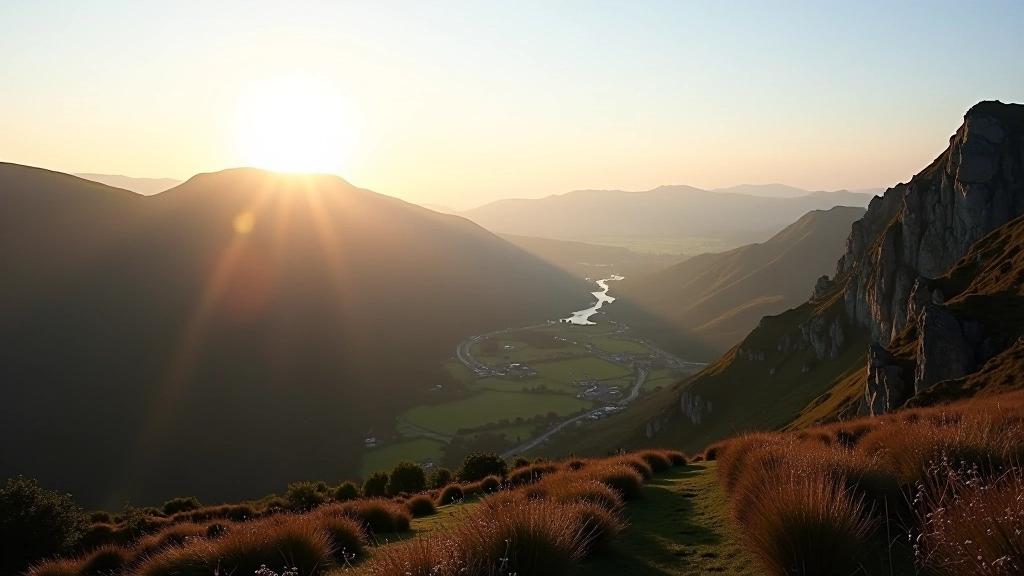
Panoramic mountain ridge with expansive valley views, clear sky, distant ridgelines

Breaking Into the Ridge

After about 90 minutes of climbing, the forest opens up. You'll emerge onto the ridge proper, and suddenly you can breathe again — literally and figuratively. The views spread out beneath you. You can see Kylemore Lake to the south, the abbey's roofline catching light, and if visibility's good, you'll make out the coast beyond.

The ridge walking itself is different from the ascent. It's exposed, so wind can be a factor even on calm days. The terrain varies — sometimes you're on established track, sometimes you're picking your way across bare rock. Navigation here is crucial. The ridge splits in places, and wrong turns add time you won't get back.

This is where the views reward your effort. The ridge section takes about 90 minutes to traverse, and honestly, you'll want to slow down here. Take photos. Sit on the rocks. Eat something. This is the payoff for the suffering below.

The Technical Descent

Descending from the ridge is where most injuries happen on this route. You're tired. Your quads are screaming. And you're picking your way down loose stone through thick forest. Don't rush this section. It's tempting to make up time, but one twisted ankle or slip ends your day — possibly ends your week.

The descent takes about 75 minutes if you're careful. Use your poles aggressively. Lean back slightly. Take small steps. Yes, it feels slow. That's the point. The path winds down through conifer forest, and visibility can be limited. You'll need to watch your footing constantly.

Safety note: This descent is where people get into trouble. Take your time. Trekking poles aren't luxury items — they're safety equipment on this section.

Forest descent trail with loose rocks, steep downhill grade, conifer trees

What You Actually Need

Navigation

Ordnance Survey map (1:50,000) and compass minimum. GPS device recommended. Phone maps alone aren't reliable in these hills.

Trekking Poles

Not optional. They reduce impact on your knees by 25-30% on descent and provide stability on loose terrain. Adjustable poles are best for varied terrain.

Water & Fuel

Bring 2-3 liters of water minimum. There are no water sources on the ridge. Energy bars, nuts, and dried fruit work better than sandwiches at elevation.

Weather Gear

Waterproof jacket and trousers. Ridge weather changes fast. You'll be exposed up there. Hypothermia risk is real even in summer if you get wet and windy.

Footwear

Proper hiking boots with ankle support and good grip. Trail shoes aren't enough. You need protection from twisting on loose stone and grip on wet rock.

First Aid Kit

Blister treatment, pain relief, elastic bandage, antiseptic. You're 90 minutes from the nearest road. A twisted ankle becomes a serious problem quickly.

When to Tackle This Route

Timing matters enormously on this circuit. Summer (June-August) gives you the longest daylight — you'll need every bit of it. Winter attempts are serious expeditions requiring winter gear and technical skills we're not covering here.

Spring and autumn can work if you're starting early and weather looks stable. Check forecasts religiously. Wind speed on the ridge can make exposed sections dangerous. Rain turns the descent into a genuine hazard. Low cloud means navigation becomes difficult fast.

Start at first light. Aim to be off the ridge by mid-afternoon. Don't push this. Hiking in fading light on technical terrain is how accidents happen.

Mountain landscape with changing weather patterns, dramatic cloud formations over ridges
Síle Ní Dhonnchadha

Síle Ní Dhonnchadha

Senior Heritage Guide & Walking Trail Specialist

Heritage guide and walking trail specialist with 14 years' experience interpreting West of Ireland monastic sites and historic gardens.

Important Safety Information

This article is educational and informational only. Hiking in mountainous terrain carries inherent risks including but not limited to: falls, exposure to extreme weather, navigation hazards, and injury from difficult terrain. We strongly recommend consulting with experienced local guides, checking current weather conditions, and ensuring you have proper training and equipment before attempting any challenging mountain route. Weather conditions change rapidly. Trail conditions vary seasonally. Your safety is your responsibility. If you're unsure about your fitness level or experience, don't attempt this route alone.

The Worth of the Challenge

This circuit isn't for everyone. It shouldn't be. There are easier routes through these hills that show you beautiful things without demanding so much. But if you've got the fitness, the navigation skills, and the determination, this route delivers something rare — genuine solitude at elevation, views that make the effort tangible, and the satisfaction of doing something properly difficult.

Come prepared. Come with respect for the terrain. Come with plenty of time. And if conditions don't feel right — weather's dodgy, your legs feel off, the light's fading faster than expected — turn back. The hills aren't going anywhere. There's no shame in choosing the easier route on another day.

But on a clear day, with good legs beneath you and proper gear on your back, this is why people hike. This is what the West of Ireland offers those willing to work for it.