Kylemore Lake Shoreline and Abbey Approach
A gentle 90-minute walk around the lake's edge with the abbey appearing through the trees
Why This Walk Matters
Kylemore Lake is one of those places where you understand why people were drawn here centuries ago. The shoreline walk isn't strenuous—it's contemplative. You're moving mostly on flat terrain, skirting the water's edge, and the abbey reveals itself gradually as you progress. There's something about the reflections on the water and the way the light hits the stone that makes this walk feel special, particularly if you visit in early morning when the crowds haven't arrived.
This 90-minute circuit is perfect for families, photographers, or anyone wanting a meaningful walk without significant elevation gain. We'll cover what you'll actually see, the best timing for visits, and practical details that matter when you're planning your day.
The Route and What You'll Experience
The walk begins at the abbey entrance and curves around the lake's northern shore. You're immediately on a well-maintained path with the water to your left and woodland to your right. The first 20 minutes feels intimate—you're among trees, hearing water, spotting the occasional fish movement in the shallows.
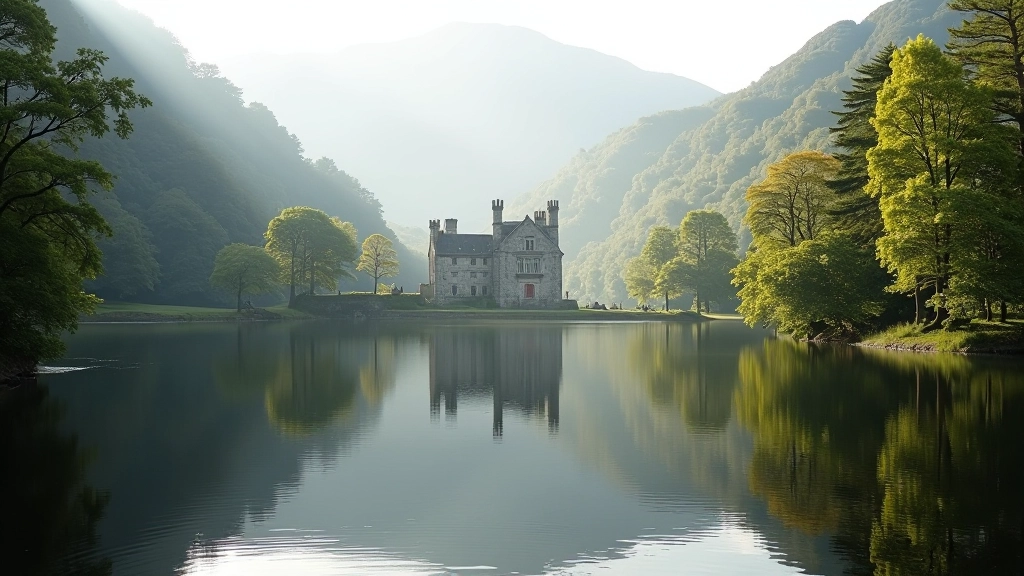
Around the 30-minute mark, the abbey becomes visible across the water. This isn't a sudden reveal—it's gradual, appearing between branches, then becoming more distinct as you progress. The stone catches the light differently throughout the day, which is why timing matters for photography.
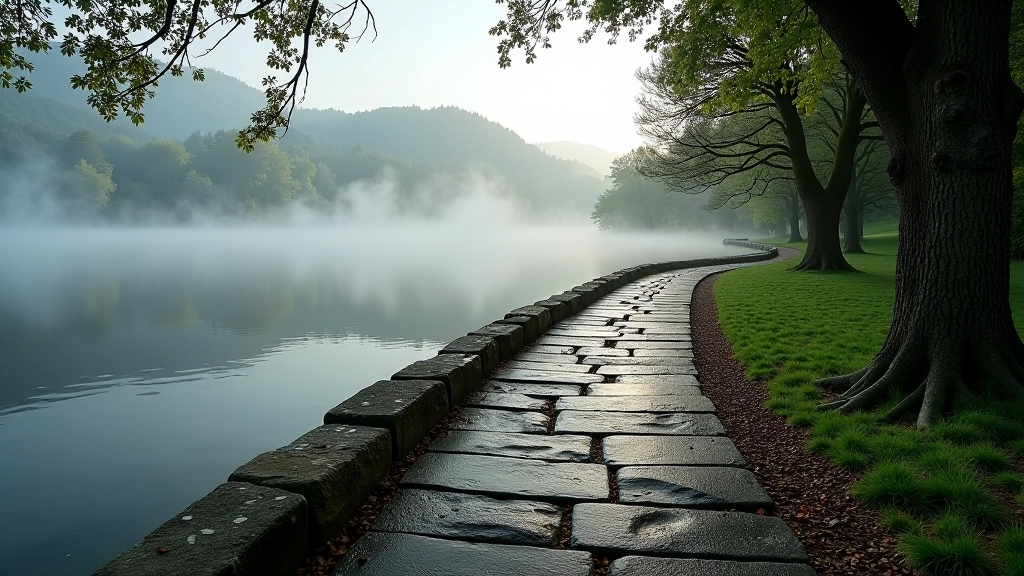
The southern section of the walk opens up slightly. You'll pass areas where locals fish and where the path widens. The ground underfoot is mostly compacted earth with sections of gravel—nothing technical, nothing requiring special footwear beyond comfortable walking shoes.

What Makes This Walk Different
This isn't a challenging hike—it's an experience. Here's what sets the shoreline walk apart from other heritage park routes:
Water Views Throughout
You're never more than a few metres from the lake. The reflections change constantly based on light and weather—what you see in morning isn't what you'll see at noon.
Photography Opportunities
Multiple vantage points with the abbey framed differently from each angle. Early morning light is particularly striking for landscape photography.
Flat, Accessible Terrain
No significant elevation gain means you're not fighting gravity. The path is consistent and well-maintained. Families with younger walkers can complete this comfortably.
Seasonal Changes
Spring brings new growth and nesting birds. Autumn colours reflect in the water. Winter offers stark, dramatic views. Each season transforms the walk.
Practical Details That Matter
Start early—8am or earlier if you can. The difference between an 8am visit and a 10am visit is noticeable in terms of quiet and light quality. You'll have the path largely to yourself in the first couple of hours.
Bring layers. The walk is sheltered by trees, but wind can pick up around the open sections. Even on warm days, the combination of shade and proximity to water means temperatures feel cooler than elsewhere in the park.
Waterproof footwear isn't essential, but it's sensible after rain. The path drains reasonably well, but you'll encounter muddy sections. Standard walking boots or trail shoes work fine. Don't attempt this in flip-flops or dress shoes—you'll regret it.
There's no formal cafe at the lake itself. The abbey café is near the entrance, but you won't pass it during the walk. Bring water and snacks if you're walking for the full 90 minutes.
Duration Varies By Pace
We're quoting 90 minutes as a comfortable walking pace. If you're stopping frequently for photos or just sitting by the water, add 30-45 minutes. Fast walkers might complete it in 75 minutes, but you'd miss the point—this walk is meant to be savoured.
About This Guide
This article is educational and informational. Conditions at Kylemore Lake change seasonally and after weather events. Always check current park conditions before visiting. Wear appropriate footwear, bring water, and let someone know your plans. The abbey and lake are heritage sites—respect barriers and signage. Weather can change quickly in Connemara; be prepared for rain and wind. This walk is described as beginner-level, but individual fitness levels vary. If you have mobility concerns, contact the heritage centre in advance for accessibility information.
Getting the Most From Your Visit
Visit During Quieter Hours
Mid-morning to mid-afternoon sees the heaviest foot traffic. Early morning or late afternoon offers a different experience entirely—you're more likely to see birds, hear the water clearly, and have reflections all to yourself.
Pay Attention to Light Angles
The abbey changes appearance based on where the sun is. Morning light from the east creates different shadows than afternoon light. If you're returning multiple times, notice how the view shifts throughout the year as the sun's arc changes.
Sit and Observe
Don't just walk—stop occasionally. Sit by the water for 10 minutes. Watch how the light moves across the stone. Listen for bird calls. This walk rewards patience more than speed.
Explore the Sections Slowly
Don't rush the northern section—that's where the woodland character shows. The western section rewards photography. The eastern return is easier walking, so pace your energy accordingly across the route.
The Shoreline Walk as Meditation
Kylemore Lake shoreline isn't challenging in the physical sense. It's demanding in a different way—it asks you to slow down, to notice details, to understand why people built an abbey in this specific place centuries ago. The water, the light, the stone, the woodland—they're all part of a conversation about landscape and human connection to it.
This walk works because it doesn't demand athleticism. It rewards attention. You don't need to be a photographer to appreciate the views. You don't need to be a historian to feel the weight of the abbey's presence. You just need to show up, wear decent shoes, and give yourself time to experience it properly.
Visit in early morning if you can. Bring water. Leave your phone's notification sounds off. Walk the shoreline and let the landscape do what it's been doing for centuries—remind us why we're here.

Explore More Walks